Voice
Voice is the primary way in, not a bolt-on.
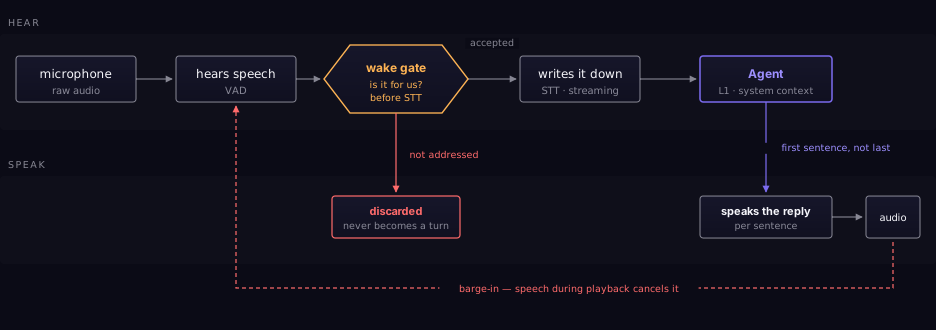
Hearing
The microphone produces a continuous stream. Voice activity detection separates speech from silence, and speech is transcribed as it arrives rather than after you stop talking.
The gate
Then the interesting part. Not everything said in a room is addressed to the assistant, so an utterance has to clear a wake gate before it becomes a turn.
The gate listens to the sound of the phrase, not to a transcription of it: a recogniser restricted to your two words, which hears them or hears nothing. That ordering matters more than it looks: because the decision needs no transcript, speech that was not addressed to the assistant is never transcribed at all. It does not reach a speech engine, local or otherwise.
An utterance that fails is discarded down a different path. It does not become a quiet turn, and it does not become a turn you have to undo.
The wake word passes everything through until you have said the phrase once in Settings and watched it land — see The wake word.
Speaking
Each status line is spoken just before the work it describes runs. The reply itself is spoken once it is written: the short spoken line when the assistant gave one, which a long answer full of paths, code or lists always has, and the answer itself otherwise, sentence by sentence.
Speaking while it speaks cancels playback. You never have to wait your turn.
TESSERACT v1.1.3 — documentation built 9 Oct 2026